
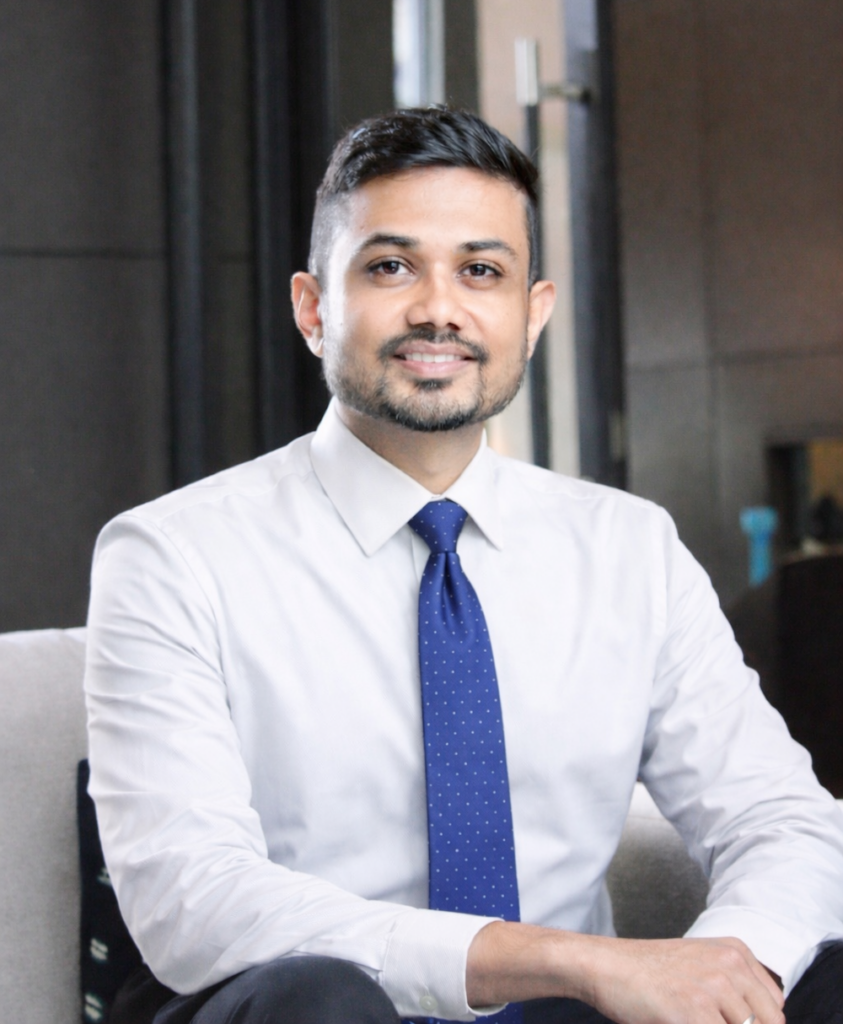
Kaushal Shah, D.M.D., is a dental director in Texas, overseeing clinical operations across multiple dental offices serving diverse and underserved patient populations. Originally from India, he earned his dental degree from Boston University and has worked at federally qualified health centers and other safety-net settings across multiple regions. Dr. Shah is a fellow of the Pierre Fauchard Academy and the American Academy of Implant Prosthodontics and the author of multiple professional publications focused on clinical dentistry, leadership and community-based care.
Early in my dental training, I spent a week in a rural village in India that permanently shaped my understanding of this profession. Our volunteer team examined and treated nearly 6,000 schoolchildren in just seven days. The numbers were overwhelming, but what stayed with me was not the statistics; it was the human moments.
I remember a young boy who sat quietly in a classroom we had converted into a makeshift clinic. He had been living with dental pain for months. He barely spoke, but his discomfort was visible in the way he held his jaw. After treatment, he hesitated before smiling, almost unsure whether the pain was truly gone. When he finally smiled fully, it was simple relief — nothing dramatic, just freedom from discomfort.
That expression reframed dentistry for me.
In that village, there were no ideal clinic conditions or perfectly timed schedules. What existed was immediate need. Dentistry felt stripped down to its core purpose: relieving pain, restoring dignity and offering access where there was little.
Years later, when I continued my career in the United States, the geography changed, but the lessons did not. In Texas, I worked in mission-based clinics serving families who had postponed care because of financial barriers. In Kansas, I participated in outreach initiatives in areas with limited provider access. During my time in Boston, I remained involved in volunteer programs supporting vulnerable populations. In New Orleans, I witnessed how socioeconomic challenges directly influence oral health outcomes.
Different cities. Different patients. The same quiet statements: “I’ve been waiting a long time.” “I didn’t know where else to go.” “I’ve just been managing the pain.”
Community service taught me that oral health disparities are not abstract concepts; they are deeply personal realities.
It also taught me empathy in ways that formal training cannot. In outreach settings, you learn to communicate clearly because health literacy varies. You learn to move efficiently without compromising compassion. You learn that sometimes the most powerful part of treatment is reassurance — a calm explanation, a patient tone, a few extra moments of attention.
Service reshaped how I define excellence. It is not simply technical precision under ideal circumstances. It is delivering safe, thoughtful care even when conditions are imperfect. It is recognizing the barriers patients carry and responding with understanding rather than frustration.
Most importantly, community service grounded my professional ambitions in purpose. It reminded me that dentistry carries both privilege and responsibility. We have the ability to relieve pain, restore confidence and improve quality of life, often in ways that extend far beyond the procedure itself.
Looking back, giving back was never extracurricular. It became foundational. From a village classroom in India to mission clinics in Texas, Kansas, Boston and New Orleans, one truth has remained constant: Access to care changes lives quietly but profoundly.
And that understanding continues to guide the kind of dentist — and person — I strive to be.
What an awesome article! I can relate to everything Dr. Shah has written as I personally have experienced and has gone through everything he said.
I created and run Dentistry For Every Village Foundation and we do periodic dental missions in the Philippines, in places where dentistry is not accessible to the common people. This is because we believe that dental healthcare is a universal right, not a privilege –where everyone has access to care and the knowledge needed to thrive.
We also build and equip community dental clinics in partnership with both private and public entities and I can say with modesty aside that all the 9 clinics we built so far has helped in changing the quality of life of people that had beed neglected and forgotten. We are now in the process of building our 10th clinic and we aim to build more.
Thank you Dr. Shah, you are indeed an extraordinary professional.