
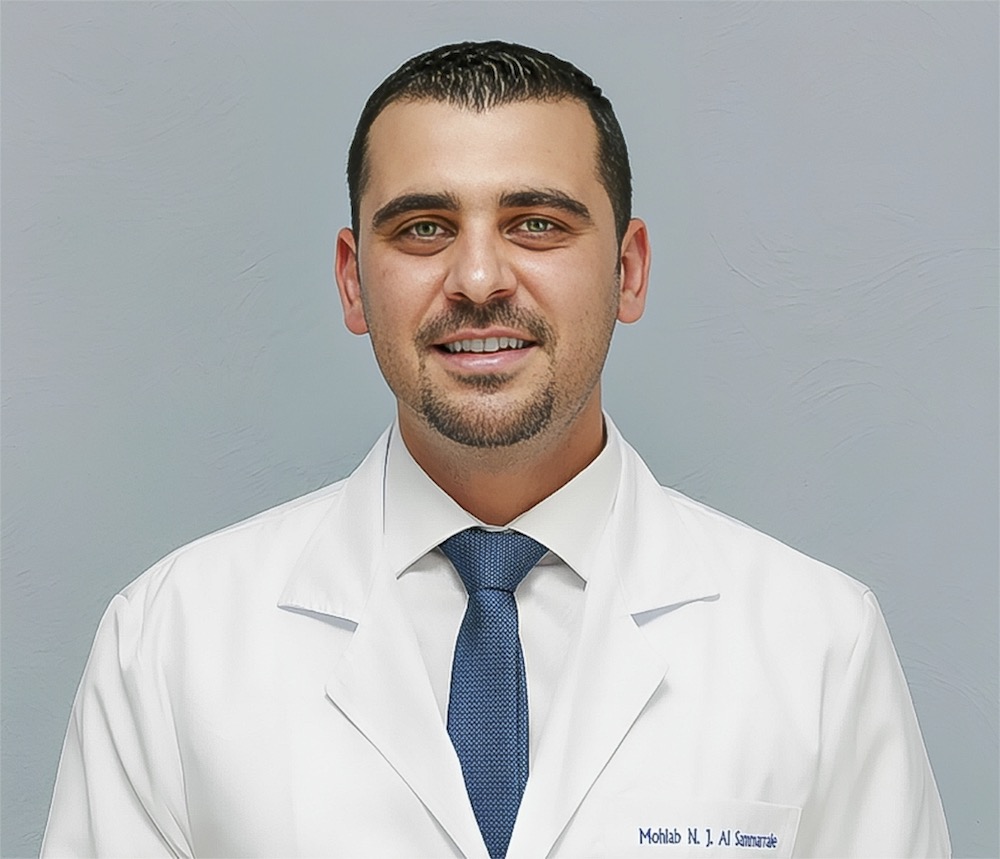
Muhalab Al Sammarraie, D.D.S., originally from Baghdad, is the site dental director at AltaMed Health Services, one of the nation’s largest federally qualified health centers. Recognized as a 2023 ADA 10 Under 10 Award winner and an Incisal Edge magazine 40 Under 40 Top Dentist in America for 2023, he serves as an international lecturer at Universidad De La Salle Bajio and a preceptor for Tufts University School of Dental Medicine students. Dr. Al Sammarraie was also a delegate to the 2024 ADA House of Delegates. Beyond dentistry, he helps war victims and displaced individuals in Iraq access education and medical care.
In today’s rapidly evolving world, cultural diversity shapes health care practices globally. Dentistry is no exception. As dental professionals, we encounter patients from diverse backgrounds, each bringing unique beliefs, perspectives and expectations to their care. To truly offer patient-centered service, it’s important to understand and respect these differences — an approach known as cultural competence. This not only enhances patient outcomes but also strengthens trust, loyalty and the overall success of a practice.
Cultural competence goes beyond overcoming language barriers; it’s about understanding a patient’s beliefs regarding health care, communication styles and medical advice. The goal isn’t just knowledge — it’s connection.
Understanding the individual is paramount. While knowing cultural norms is valuable, what really matters is engaging with patients on a personal level. Reading body language, listening attentively and recognizing individual values allow us to address their dental needs and the root causes of their concerns. By seeing each patient as a unique person, dentists build trusting relationships that promote genuine care and satisfaction.
Practical examples for applying cultural sensitivity
Imagine a patient hesitating to follow a recommended treatment because of cultural or religious beliefs. Without cultural competence, this could be misunderstood as disinterest. Understanding their perspective allows us to offer solutions that align with their values — building trust and ensuring compliance.
In my experience leading a community-focused patient group in San Diego, I faced challenges with patient consent forms. In certain cultures, managing a family member’s health care is a sign of commitment. This conflicted with privacy regulations, causing frustration. Understanding this dynamic and bridging the gap improved patient satisfaction and trust while respecting professional responsibilities.
Around the world, traditional practices like herbal remedies or acupuncture hold significant influence. Patients may turn to these treatments before seeking modern dental care. Respecting these practices and educating patients on how contemporary treatments can complement, rather than replace, their traditions is crucial for building trust.
Similarly, practices such as religious fasting influence when and how patients prefer to receive dental care. Offering flexible scheduling during these periods is a small but powerful gesture that shows respect and builds loyalty. Additionally, understanding cultural preferences for physical contact (e.g., handshaking) or requests for same-gender providers is essential. Accommodating these preferences when possible demonstrates a genuine commitment to respecting patients’ beliefs and comfort.
Navigating communication and behavior differences without stereotyping
Cultural sensitivity is essential, but avoiding stereotypes is crucial. Not every patient from a specific background shares the same beliefs. We must approach each patient as an individual, asking thoughtful questions and actively listening rather than assuming based on background. This ensures care remains respectful, personalized and inclusive.
It’s also worth noting that, due to cultural sensitivities, some patients might behave differently when interacting with health care providers from outside their own culture. For instance, some may feel more comfortable discussing certain issues with a provider from a different background. This behavior, often rooted in maintaining privacy within their community, should not be seen as unusual. Instead, health care professionals should recognize it as an opportunity to build trust and support the patient’s needs.
Cultural competence also includes recognizing different communication styles. Some cultures express emotions more openly, which could be misinterpreted. Being aware of these differences and interpreting them correctly can help enhance the patient experience.
Cultural sensitivity: A tool to enrich, not complicate, dental practice
Embracing cultural diversity doesn’t complicate our practice; it enhances it. By listening, respecting and adapting to different cultural norms, we strengthen the patient-dentist relationship, leading to better health outcomes and greater patient loyalty. Cultural sensitivity enriches our ability to connect with others, offering insights that make us not just better practitioners but also more empathetic individuals.
Cultural sensitivity isn’t limited to the dentist, however; it’s a team effort. Front office staff, dental assistants and hygienists are often the first point of contact and must understand these nuances as well.
Key skills to build cultural competence
• Active listening: Focus on understanding patients’ concerns by asking open-ended questions, such as “How do you feel about this treatment?” This approach encourages patients to share their perspectives, helping tailor care while building trust.
• Role-playing in team meetings: Quarterly role-playing sessions addressing real-life cultural scenarios enhance team awareness and equip staff with strategies for respectful patient interactions.
• Patient feedback: Collect feedback through surveys or casual conversations. Asking “How was your visit today?” provides insights without focusing on culture, yet still improves the patient experience.
• Continuing education: Incorporate cultural competence courses into your CE plan, enhancing cross-cultural communication and patient care skills with programs focusing on diverse populations.
• Mentorship and professional groups: Engaging with mentors or professional groups offers valuable strategies and practical knowledge for treating diverse patient populations.
A commitment to learning and growth
In 2016, I participated in a cultural training program where professionals like myself worked one on one with health care, education and law enforcement public service leaders. These leaders shared challenges in interacting with people from my culture, such as confusion around the cost of health care and emergency services. I helped them understand these cultural differences, improving their ability to serve diverse communities and emphasizing the importance of cultural sensitivity, particularly in health care.
Cultural competence isn’t about knowing everything; it’s about being open to learning from each interaction. Dentists and their teams can create an environment that respects diversity while delivering high-quality care by listening actively, respecting diverse beliefs and maintaining an open dialogue. Cultural sensitivity builds trust across borders, leading to better long-term health outcomes and a more inclusive, patient-centered approach to dentistry.
For those interested in learning more, the U.S. Department of Health and Human Services Office of Minority Health offers a free online program for dental professionals that helps equip them with the knowledge, skills and awareness to best deliver oral health services to all patients, regardless of cultural or linguistic background.
This article really struck a chord with me. It captures something we often overlook in dentistry. I’ve learned that even small efforts to understand a patient’s cultural perspective can make a huge difference in building trust and improving outcomes. Great read. Thanks for sharing!
Thank you! I’m glad it resonated with you. Understanding cultural perspectives truly does make a difference in building trust and improving care.
Great article! Thank you for sharing your perspective.
Thank you so much! I am glad you enjoyed the article. It means a lot to know my perspective resonated with you!
This is such an important topic! I really appreciate how you emphasized the significance of cultural competence in dentistry. It’s clear that understanding and respecting the diverse backgrounds of patients can make a huge difference in their care and overall experience. The examples you provided, like accommodating religious fasting or being mindful of cultural preferences, show just how much small actions can foster trust. I also love the focus on communication and avoiding stereotypes—each patient is unique, and taking the time to listen to them is key. Thanks for sharing these valuable insights!
Thank you for such thoughtful feedback! I’m so glad the article resonated with you. Cultural competence is indeed a crucial aspect of providing meaningful and effective care, and I’m happy the examples stood out to you.
I specially liked the way youhave explained things in detail
Key skills to build cultural competence
• Active listening:
• Role-playing in team meetings:
• Patient feedback:
• Continuing education:
• Mentorship and professional groups
Great point. Understanding our own culture while also appreciating and respecting others’ cultures is essential. Embracing cultural diversity not only fosters mutual understanding and promotes harmony but also broadens our perspectives. It’s amazing how learning about different cultures can bring people closer and create a more inclusive world. Thanks for sharing such a thoughtful point.
Such an insightful read! Cultural sensitivity in dentistry is so important for building trust and ensuring patients feel comfortable and understood. Every patient comes with unique beliefs, traditions, and expectations, and recognizing these differences can truly enhance the dental experience. Thank you for shedding light on this vital aspect of patient care!
This is an essential guide to transforming dental care through cultural humility! Your practical strategies—from active listening to team role-playing—brilliantly show how understanding diverse perspectives isn’t just ethical, but clinically impactful. Thank you for framing cultural competence as a pathway to deeper trust and better outcomes for every patient who walks through our doors.